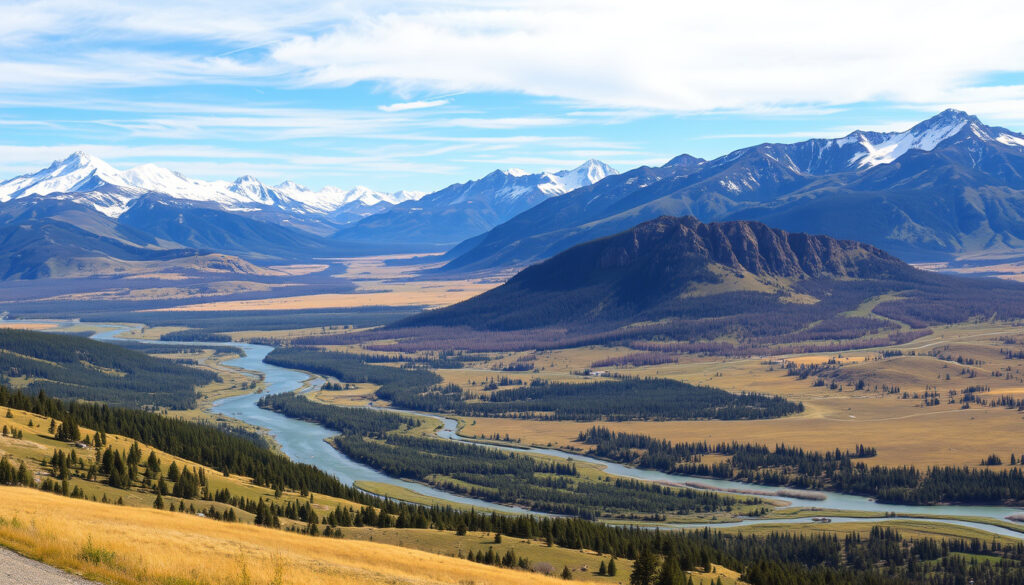
Where Is Yellowstone Filmed – Real Montana Locations
Where Is Yellowstone Filmed? Real Locations Revealed
The television series Yellowstone, Paramount Network’s hit drama about the Dutton family and their sprawling Montana ranch, has captivated audiences since its 2018 premiere. Despite the show’s name suggesting a connection to Yellowstone National Park, the actual filming locations tell a different story. The production primarily unfolds across Montana’s Bitterroot Valley, with significant early-season work in Utah before a permanent shift north.
Creator Taylor Sheridan built the series around authentic American landscapes, selecting real working ranches and rural communities rather than constructed sets. This commitment to genuine locations has shaped both the show’s visual identity and its production history. Understanding where Yellowstone is filmed reveals much about the logistics behind prestige television and the economic forces that influence where productions choose to operate.
The show’s fictional Dutton Ranch sits adjacent to Yellowstone National Park in the series narrative, but the actual filming location sits approximately 100 miles northwest of the park near Darby, Montana. This geographical separation between fiction and reality extends throughout the series, with production spreading across multiple states during its run.
Where Is Yellowstone Filmed?
Yellowstone films primarily in two states: Montana and Utah. The balance between these locations shifted dramatically over the series’ seasons, driven by economics, logistics, and the production’s growing commitment to Montana authenticity.
- Chief Joseph Ranch, built in 1914, serves as the Dutton family home, lodge, and primary ranch setting
- Seasons 1-3 split filming between Utah and Montana; Season 4+ moved nearly all production to Montana
- Utah hosted 75% of early-season filming before losing tax incentives worth approximately $12 million annually
- Missoula doubled as fictional Bozeman, providing courthouse, hospital, and street scenes
- Several Montana locations operate as working businesses, offering public access when not filming
- The Four Sixes Ranch in Texas appears in later seasons for specific storyline requirements
| Location | Used For | Seasons | Access |
|---|---|---|---|
| Chief Joseph Ranch, Darby MT | Dutton Ranch, family home, lodge | All | Bookable stays when not filming |
| Utah Film Studios, Park City | Interior sets, office spaces | 1-3 | Studio tours available |
| Missoula County Courthouse | Legal proceedings, trials | 3-5 | Public building |
| Ogden, Utah (25th Street) | Beth’s office, street scenes | 1-3 | Public streets |
| Helena State Capitol | Governor’s office, political scenes | 4-5 | Public building |
| Crow Indian Reservation MT | Fictional Broken Rock Reservation | 3-5 | Respect local guidelines |
| Sula, MT (Highway 93) | “Train Station” body dump scenes | All | Public highway pullout |
| Four Sixes Ranch, Guthrie TX | Late-series Texas scenes | 4-5 | Working ranch, limited access |
Where in Montana and Utah Are Key Scenes Shot?
Montana Production Sites
The Bitterroot Valley forms the gravitational center of Yellowstone’s production. Darby, a small community roughly one mile from Chief Joseph Ranch, serves as the base camp for much of the filming operation. The ranch itself, constructed in 1914, functions as the most extensively used working ranch for any television series in the United States.
Missoula provides the urban counterpoint to rural ranch life. The city’s County Courthouse hosted Summer’s dramatic trial sequences, while Community Medical Center portrayed Bozeman General Hospital. Ryman Street and Ruby’s Café appeared in shootout sequences, and the intersection of Railroad and Woody streets became the backdrop for protest scenes that punctuated later seasons.
Helena’s Old Supreme Court chamber transformed into the governor’s office, with the Montana State Capitol Building providing exterior shots for political storyline elements. Bozeman appears for select scenes throughout the series, though its contribution is less extensive than Missoula’s.
The Crow Indian Reservation near Billings serves as the filming location for the fictional Broken Rock Reservation depicted in the series. This setting plays a crucial role in storylines involving tribal politics and land disputes that parallel the Dutton family’s own territorial challenges.
The show invested approximately $80 million in Utah across three seasons, averaging $30 million annually, before relocating primary production to Montana. Montana’s enhanced film incentive program, offering up to $12 million in caps, made the state economically attractive while providing the authentic Western landscapes the series sought.
Utah Production Sites
Utah hosted the majority of filming during Yellowstone’s first three seasons. Utah Film Studios in Park City served as the production’s home base, housing interior sets including the Schwartz & Meyer office where Beth Dutton’s characters conduct their legal battles.
Ogden’s 25th Street provided street-level authenticity, while Pioneer Stadium hosted rodeo sequences. The Outlaw Saloon, though appearing as Beth’s office exterior, sits along this historic street that doubled as various fictional Montana locations during early production.
Additional Utah locations included Heber City, Oakley, Kamas, Grantsville, Logan, and the Spanish Fork Fairgrounds. These diverse sites offered the range of Western environments the production required before establishing permanent Montana roots.
Where Is the Dutton Ranch Located?
The Dutton Ranch, the fictional homestead at the center of Yellowstone’s narrative, corresponds to Chief Joseph Ranch in the Bitterroot Valley. This working cattle ranch sits one mile outside Darby, Montana, approximately 100 miles northwest of Yellowstone National Park—a significant geographical distance from the park-adjacent location the series depicts.
About Chief Joseph Ranch
Chief Joseph Ranch spans substantial acreage and operates as a working cattle operation. Built in 1914, the property features the main lodge, multiple barns, and the pastoral landscapes that viewers recognize as the Dutton family home. The ranch serves multiple functions within the series, portraying the family residence, ranch headquarters, and the backdrop for countless dramatic confrontations.
Taylor Sheridan, Yellowstone’s creator, owns ranches that inspired the series concept, but does not own Chief Joseph Ranch. The production secured access to the property through location agreements with its owners, who continue operating the ranch independently of filming activities.
Chief Joseph Ranch offers visitor stays through their booking system when production is not active. The ranch typically closes to external visitors during filming season, approximately May through October. Reservations fill quickly due to fan interest, and the property operates as a working ranch year-round.
Other Ranch-Related Locations
While Chief Joseph Ranch serves as the primary ranch setting, additional properties throughout Montana and Texas contribute to the series’ ranching authenticity. The Four Sixes Ranch in Guthrie, Texas, appears in later seasons, providing settings for storylines that require Texas-specific environments.
Various other Montana properties have contributed scenes throughout the series, though Chief Joseph Ranch remains the singular location most associated with the fictional Dutton operation.
Is Yellowstone Filmed in Yellowstone National Park?
Despite the show’s name, Yellowstone is not filmed in Yellowstone National Park. The misconception stems from the series’ narrative, which places the fictional Dutton Ranch adjacent to the famous park. This fictional geography serves the show’s thematic interests in land conflicts, federal overreach, and the tension between preservation and development that characterize real debates in the American West.
Yellowstone National Park’s strict filming regulations make it impractical for a production of Yellowstone’s scale. The National Park Service maintains limitations on commercial filming, including requirements for permits, fees, and restrictions on crew size and equipment. Additionally, the park’s busy visitor traffic creates logistical challenges incompatible with the sustained filming schedule a television series requires.
The name “Yellowstone” was chosen for its evocative resonance with American Western identity and the drama’s thematic concerns, not for logistical filming purposes. The production selected Montana’s Bitterroot Valley specifically because it offered comparable dramatic landscapes—vast ranchlands, mountain views, and rural authenticity—without the restrictions and logistical complications of actual park locations.
The Dutton Ranch sits approximately 100 miles northwest of Yellowstone National Park. Visitors expecting to find filming locations within the park will be disappointed; all production occurs on private land and public spaces outside park boundaries.
Can You Visit Yellowstone Filming Locations?
Fans can visit several Yellowstone filming locations, though access varies significantly depending on the site. No official production map exists, but fan guides have catalogued approximately 20 distinct locations throughout Montana and Utah.
Recommended Visitor Destinations
The Darby and Bitterroot Valley area offers drive-by views of Chief Joseph Ranch from public roads. Visitors should respect private property boundaries and avoid attempting to access the ranch without prior booking arrangements. The surrounding valley provides additional scenic attractions and Western-themed experiences.
Missoula, approximately one hour from Chief Joseph Ranch, offers multiple accessible filming locations. The County Courthouse, various downtown cafés, and street locations remain available for fan photography and exploration. The city’s tourism infrastructure provides convenient accommodations and visitor services.
The Sula Train Station location sits at a public highway pullout south of Darby on U.S. Highway 93 near Sula Peak Road. Visitors should exercise caution regarding footing and traffic conditions when visiting this site, which gained notoriety through its appearance in darker series storylines.
Helena’s State Capitol and court buildings, approximately three hours from the Bitterroot Valley, provide accessible public buildings that appeared in political storyline elements. The Crow Indian Reservation, located several hours from the primary filming area, offers cultural experiences though visitors should observe local guidelines and respect tribal sovereignty.
Chief Joseph Ranch accepts advance bookings for guest stays when not filming (typically November through April). These stays provide the most immersive experience for dedicated fans. For day visitors, Missoula offers the highest concentration of accessible locations within a manageable distance from the primary ranch setting.
Filming Timeline by Season
Yellowstone’s production geography evolved significantly across its seasons, reflecting both creative choices and economic considerations.
- Seasons 1-3 (2017-2020): Production split between Utah and Montana, with Utah hosting approximately 75% of filming activity. Utah Film Studios in Park City served as the primary production hub. Early Bitterroot Valley work established Montana locations while maintaining Utah infrastructure.
- Season 4 (2021): Near-complete transition to Montana following Utah’s loss of competitive film incentives. The show had spent roughly $80 million in Utah across three seasons at $30 million annually before relocating.
- Season 5+ (2022-Present): Primarily Bitterroot Valley and broader Montana locations. Helena, Missoula, Bozeman, and the Crow Reservation provide diverse settings. Limited Texas work for specific storyline requirements.
What We Know and What Remains Uncertain
| Established Information | Information That Remains Unclear |
|---|---|
| Chief Joseph Ranch serves as primary Dutton Ranch location | Specific details of future season location plans |
| Production moved permanently to Montana after Season 3 | Exact impact on local Montana economy figures |
| Utah lost production due to insufficient film incentives | Taylor Sheridan’s specific reasoning for location selections |
| No filming occurs within Yellowstone National Park | Future spinoff production location plans beyond 1944 |
| Show available for visitor stays at Chief Joseph Ranch when not filming | Complete list of all Montana properties used |
| Missoula doubles as fictional Bozeman for urban scenes | Whether specific Montana tax figures reflect actual incentives received |
Why Montana and Utah?
Taylor Sheridan’s vision for Yellowstone centered on authentic American Western landscapes, a commitment that naturally drew production toward states where such environments remain accessible and visually compelling. Montana’s Bitterroot Valley offers sweeping ranchlands, dramatic mountain backdrops, and the rural character that grounds the Dutton family’s story in tangible reality.
The shift from Utah to Montana reflected broader trends in film and television production economics. States offering competitive tax incentives and direct funding programs attract productions seeking to maximize production value within fixed budgets. Montana’s willingness to cap incentives at $12 million provided sufficient value for Yellowstone’s producers while offering predictability the state could sustain.
Utah’s Utah Film Commission facilitated substantial early production, with the state hosting hundreds of crew members and supporting businesses during peak filming periods. The loss of Yellowstone represented a significant economic shift, though Utah continues attracting productions through its diverse landscapes and remaining incentive programs.
For viewers, the Montana setting delivers visual authenticity that constructed sets could not replicate. The series benefits from genuine weather, natural lighting, and the lived-in character of actual working ranches—elements that distinguish its visual presentation from productions shot primarily on stages.
Sources and Official Information
Production details for Yellowstone derive from multiple documented sources including film commissions, travel publications, and fan documentation of filming activities.
The show spent approximately $80 million in Utah over three years, averaging $30 million per season, before relocating primary production to Montana’s Bitterroot Valley following the 2020 season transition.
— Deseret News reporting on production economics
The Montana Film Office and Utah Film Commission both maintain public records regarding productions in their respective states. Travel operators and fan sites, including Glacier Montana Tours and Bitterroot.info, have documented specific locations and visitor considerations based on observed filming activity.
Paramount Network, the series broadcaster, identifies Yellowstone as one of cable television’s top-rated programs, with the Season 3 finale drawing over 10 million viewers. IMDb’s production location database maintains crowdsourced filming location records for the series.
Summary
Yellowstone films primarily in Montana’s Bitterroot Valley, with Chief Joseph Ranch outside Darby serving as the iconic Dutton Ranch location. Utah hosted the majority of early-season production before the show’s permanent relocation following Season 3. The series is not filmed in Yellowstone National Park despite its name—the title references fictional proximity rather than actual filming locations. Visitors can explore numerous public sites throughout Montana, with Missoula offering the highest concentration of accessible locations. The production’s shift to Montana reflects broader industry trends toward competitive incentive programs and authentic regional settings.
For those interested in exploring where the Dutton family’s story unfolds, the Bitterroot Valley provides the most immersive experience. Whether driving past Chief Joseph Ranch on Highway 93 or exploring Missoula’s downtown streets that doubled as fictional Bozeman, fans will find the landscapes that have helped make Yellowstone one of television’s most-watched dramas.
What state is Yellowstone primarily filmed in?
Yellowstone is primarily filmed in Montana, particularly in the Bitterroot Valley around Darby. Seasons 1-3 also used Utah extensively, but Season 4 onward moved nearly all production to Montana.
Is the Yellowstone ranch a real place?
Chief Joseph Ranch in Darby, Montana serves as the real filming location for the fictional Dutton Ranch. The ranch is a working cattle operation built in 1914 and is available for visitor stays when not filming.
Can you visit Chief Joseph Ranch?
Yes, Chief Joseph Ranch offers booking stays for visitors when not actively filming. The ranch typically closes during filming season from May through October. Reservations should be made well in advance through their official booking system.
Where in Montana is Yellowstone filmed?
Key Montana locations include Chief Joseph Ranch near Darby, Missoula (courthouse, streets, cafés), Helena (Capitol, court buildings), Bozeman (select scenes), and the Crow Indian Reservation near Billings.
Where in Utah was Yellowstone filmed?
Utah filming locations included Utah Film Studios in Park City, Ogden’s 25th Street and Outlaw Saloon, Pioneer Stadium for rodeos, Heber City, Oakley, Kamas, Grantsville, Logan, and Spanish Fork Fairgrounds.
Why isn’t Yellowstone filmed in Yellowstone National Park?
Yellowstone National Park’s filming restrictions, permit requirements, and high visitor traffic make it impractical for sustained television production. The name references the park’s proximity to the fictional ranch rather than actual filming locations.
When did Yellowstone move filming to Montana?
The transition began during Season 3 but became complete for Season 4 in 2021. Montana’s enhanced film incentives, offering up to $12 million in caps, made the state economically attractive after Utah’s incentive program proved less competitive.
Is there a map of Yellowstone filming locations?
No official production map exists. Fan guides and travel operators have documented approximately 20 locations throughout Montana and Utah. The Montana Film Office provides general tourism resources but does not publish official filming location maps.
More related posts
 How Many Units Can You Drive On – UK Limits & Scotland Guide
 DJI Mini 5 Pro Release Date – Official Launch Details and Specs
 Police Service of Northern Ireland – Contact, Careers & More
 Bayern Munich vs Auckland City FC Stats – Goals, Lineups, Key Facts
 Guy Ritchie – Movies, Net Worth, and Career in 2025
 Half Price Lamb Joint Offers Today – Best Deals at Tesco, Aldi & Sainsburys
 Calvert Lewin – Biography, Stats, Injuries and Personal Life
 Real Madrid LaLiga Legal Dispute – Supreme Court Awards €8.8 Million