How to Get Rid of Hiccups – Effective Remedies Guide
Hiccups strike without warning. That sudden contraction of your diaphragm followed by the unmistakable sound can disrupt conversations, meals, and sleep. While usually harmless and brief, these involuntary spasms often leave people searching for immediate relief.
Most hiccups resolve within minutes. Yet when they persist, understanding the mechanisms behind them becomes essential. From breath-holding techniques to cold water stimulation, various methods claim to stop the spasms instantly. Medical research offers specific insights into which approaches align with physiological principles—and when professional intervention becomes necessary.
The diaphragm, the dome-shaped muscle beneath your lungs, drives the spasms. When it contracts involuntarily, your vocal cords snap shut, producing the characteristic sound. UCLA Health explains that this interruption of normal breathing patterns creates the temporary discomfort millions experience daily.
How Do You Get Rid of Hiccups Fast?
Breath Control
Holding air for 5-20 seconds increases carbon dioxide levels, potentially relaxing the diaphragm
Cold Stimulation
Sipping ice water or gargling interrupts the nerve signals triggering spasms
Pressure Techniques
Tongue pulling and palm pressing stimulate the vagus nerve pathway
Posture Modification
Knee-to-chest compression alters diaphragm position and tension
- Holding your breath for 5-20 seconds remains the most commonly recommended immediate intervention
- Cold water stimulation works by engaging the vagus nerve, which runs from brain to abdomen
- None of the home remedies have undergone rigorous scientific validation despite widespread use
- Persistent hiccups lasting beyond 48 hours signal potential underlying medical conditions
- Breathing into a paper bag increases carbon dioxide levels, potentially relaxing the diaphragm
- Pressure point techniques target the vagus nerve through physical stimulation
| Parameter | Detail | Classification |
|---|---|---|
| Typical duration | 1-2 minutes | Transient episode |
| Persistent threshold | Greater than 48 hours | Requires medical evaluation |
| Intractable threshold | Beyond one month | Severe case |
| Primary muscle | Diaphragm | Respiratory mechanism |
| Key nerve involvement | Phrenic and vagus nerves | Neurological pathway |
| Common trigger | Carbonated beverages | Dietary factor |
Most home remedies operate through two physiological pathways: stimulating the vagus nerve or interrupting the respiratory cycle. WebMD explains that techniques like holding your breath or sipping cold water attempt to reset the spasmodic rhythm of the diaphragm.
The Valsalva maneuver offers another effective approach. Pinch your nose, close your mouth, and attempt to exhale forcefully as if blowing up a balloon. St. Vincent’s Hospital notes that this technique modifies breathing rhythm while stimulating vagal tone.
What Causes Hiccups?
Why Your Diaphragm Spasms
Hiccups originate as involuntary contractions of the diaphragm. Mayo Clinic identifies several triggers for these transient episodes: consuming carbonated beverages, excessive alcohol intake, overeating, sudden temperature changes in food or environment, and swallowing air while chewing gum or smoking.
The vagus nerve serves as the primary communication highway between your brain and digestive system. Many hiccup remedies work by stimulating this nerve to interrupt the hiccup reflex arc.
When Nerves Malfunction
Hiccups persisting longer than 48 hours suggest deeper physiological issues. Nerve damage or irritation affecting the diaphragm, central nervous system disorders, metabolic imbalances, and certain drug or alcohol interactions can sustain the spasmodic cycle beyond normal parameters.
How Long Do Hiccups Last and When to Worry?
Understanding Duration Categories
Medical professionals classify hiccups by longevity. Transient episodes typically resolve within one to two minutes. Cleveland Clinic defines “persistent” hiccups as those continuing beyond 48 hours, while “intractable” cases persist for more than one month.
For those tracking geographical health patterns, World Map with Countries – Free HD Printable Downloads offers visual resources, though hiccups occur universally regardless of location.
Quality of Life Impact
Persistent and intractable hiccups significantly disrupt daily functioning. Sleep disturbance and eating difficulties commonly accompany prolonged episodes, potentially leading to exhaustion and nutritional deficits without medical intervention.
Contact your physician if hiccups continue beyond two days. This duration marks the boundary between normal transient spasms and potential underlying pathology requiring diagnostic evaluation.
Does Drinking Water Upside Down Work for Hiccups?
Examining the Technique
The upside-down water drinking method appears frequently in folk medicine collections. Practitioners bend forward at the waist, placing the top of their mouth against the rim of a glass while drinking from the opposite side. Proponents claim this position alters esophageal pressure or distracts the nervous system.
No clinical studies validate drinking upside down as an effective hiccup remedy. The position may increase choking risk, particularly for individuals with swallowing difficulties or balance issues.
Evidence-Based Alternatives
Gargling with ice water offers a safer, medically recognized alternative. This method stimulates the vagus nerve through thermal and mechanical action without the positional risks associated with inversion techniques. American Academy of Family Physicians reports that such non-pharmacological approaches remain first-line options before medication.
From Seconds to Months: The Hiccup Timeline
- Onset (0-60 seconds): Diaphragm spasms begin suddenly, often triggered by eating or drinking
- Acute Phase (minutes to 48 hours): Transient hiccups resolve spontaneously or with home remedies
- Persistent Stage (2-30 days): Hiccups continue beyond 48 hours, interfering with sleep and nutrition
- Intractable Period (30+ days): Rare cases lasting months require medical intervention including medication or surgery
Established Facts vs. Medical Uncertainty
| Scientifically Established | Requiring Further Study |
|---|---|
| Hiccups originate from diaphragm spasms | Sugar swallowing effectiveness |
| 48-hour threshold for persistent classification | Being frightened as treatment |
| Vagus nerve stimulation interrupts hiccups | Drinking upside down mechanism |
| Chlorpromazine FDA-approved for hiccups | Acupressure point efficacy |
The Physiology Behind Hiccup Interruption
Effective remedies typically target one of two physiological mechanisms: vagal nerve stimulation or respiratory cycle interruption. Cold water exposure, tongue traction, and pressure applications directly engage the vagus nerve, potentially overriding the aberrant signals causing diaphragmatic spasms.
Respiratory modifications like breath-holding and the Valsalva maneuver alter blood gas concentrations and diaphragmatic tension. OSF Healthcare suggests prevention strategies including slower eating patterns, reduced carbonated beverage consumption, and smaller meal portions to minimize gastric distension that triggers hiccups.
Pharmacological interventions become necessary for persistent cases. Baclofen, chlorpromazine, gabapentin, metoclopramide, and proton pump inhibitors represent standard prescriptions, with drug selection dependent upon underlying etiology. Severe intractable cases may require phrenic nerve interruption or diaphragmatic pacemaker implantation.
Medical Authority Perspectives
Most hiccups resolve on their own without medical intervention.
— Mayo Clinic
Persistent and intractable hiccups can significantly impact quality of life, interfering with eating and sleeping.
— Cleveland Clinic
None of these home remedies are scientifically proven, though they are widely believed to work.
— WebMD
Practical Steps for Hiccup Management
Begin with breath-holding techniques or cold water stimulation for immediate relief. Monitor duration closely; contact a physician if spasms exceed 48 hours. For those interested in other physiological control techniques, explore How to Lucid Dream – Complete Beginner’s Guide.
Frequently Asked Questions
How do you stop hiccups in babies?
Specific research on infant hiccup remedies was not available in the provided sources. Consult a pediatrician for age-appropriate techniques.
What is the best cure for hiccups?
No single remedy is scientifically proven superior. Holding your breath for 5-20 seconds or sipping cold water are commonly recommended first-line approaches.
Why won’t my hiccups stop?
Persistent hiccups beyond 48 hours may indicate nerve irritation, central nervous system disorders, or metabolic issues requiring medical evaluation.
Are hiccups dangerous?
Transient hiccups are harmless. However, intractable cases lasting months can cause exhaustion and weight loss.
Does sugar actually stop hiccups?
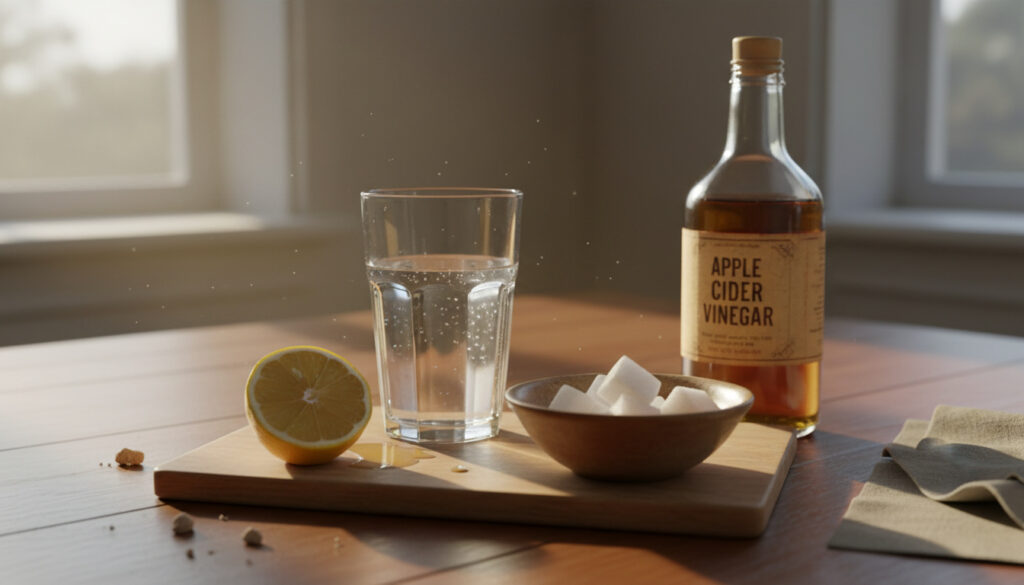
Swallowing granulated sugar is a traditional remedy, but no clinical trials confirm its efficacy beyond placebo effects.
More related posts
 Elton John – Net Worth, Biography, and Iconic Songs
 Cast of My Fault London – Full Actors List and Roles
 Sainsbury’s Bank Account Closures – Complete Guide for Customers
 How Old Is Santa – 1755 Years of Christmas Magic
 New State Pension August 2025 – Rate, Triple Lock & Key Facts
 James Martin’s Saturday Morning – Schedule, Guests and Recipes
 Alexis Mac Allister – Age, Height, Wife, Jersey and Transfer Rumors
 CW Sellors Administration Collapse – Full Details and Timeline