Police Service of Northern Ireland – Contact, Careers & More
The Police Service of Northern Ireland (PSNI) is the official police force responsible for law enforcement across all of Northern Ireland. Established in 2001 as part of the peace process, it replaced the Royal Ulster Constabulary and operates under the oversight of the Northern Ireland Policing Board. With over 6,300 officers, the PSNI is one of the largest police forces in the United Kingdom and holds a unique position as a routinely armed service.
The force covers a jurisdiction of approximately 14,130 square kilometres and serves a population of around 1.9 million people. Headquartered in Belfast, the PSNI handles everything from emergency response and counter-terrorism to community policing and firearms licensing. Its creation marked a defining moment in Northern Ireland’s transition toward a more inclusive society, following the recommendations of the 1999 Patten Report.
What is the Police Service of Northern Ireland (PSNI)?
Police Service of Northern Ireland (PSNI)
Northern Ireland (~14,130 km²)
Over 6,300 (as per HMICFRS)
Brooklyn, Knock Road, Belfast BT5 6LE
The PSNI is the successor to the Royal Ulster Constabulary, established on 4 November 2001 following the Patten Report. It was created to deliver a police service acceptable to both communities in Northern Ireland and has since undergone significant reform. Unlike most police forces across the UK, every PSNI officer carries a firearm while on duty, a policy that reflects the ongoing security environment in the region.
Recruitment, salary structures, and rank progression are managed through a dedicated portal at joinpsni.co.uk. Contact methods include a non-emergency phone number (101), an online reporting system, and active social media channels. The force also maintains a firearms licensing department for the regulation of legally held weapons.
Key insights about the PSNI
- PSNI is the successor to the Royal Ulster Constabulary, established in 2001 following the Patten Report.
- It is one of the largest police forces in the UK by officer numbers after the Met and Police Scotland.
- Unlike most UK forces, all PSNI officers are routinely armed with firearms.
- Recruitment is handled via a dedicated portal joinpsni.co.uk with competitive salary and benefits.
- Contact methods include a non-emergency phone number, online reporting, and social media channels.
- The force operates under the oversight of the Northern Ireland Policing Board and the Department of Justice.
PSNI snapshot facts
| Fact | Detail |
|---|---|
| Formed | 4 November 2001 |
| Predecessor | Royal Ulster Constabulary (RUC) |
| Chief Constable | Jon Boutcher (as of 2024/2025) |
| Police officers | 6,300+ (2023/24) |
| Police staff | 2,500+ |
| Budget | Approx. £800 million (2023/24) |
| Phone (non-emergency) | 101 |
| Emergency | 999 |
| Website | www.psni.police.uk |
How to Contact the Police Service of Northern Ireland: Phone, Facebook & Online Reporting
The PSNI offers multiple ways to get in touch depending on the nature of your query. For emergencies, always dial 999. For non-urgent matters, the main contact number is 101, which connects callers to the local policing team. This number covers everything from reporting a theft to seeking general advice.
You can also report non-emergency incidents online through the PSNI website at www.psni.police.uk. The online reporting form allows users to submit details of crimes, traffic incidents, or other police matters without needing to call. This is often the preferred method for less urgent reports as it reduces call wait times.
PSNI Facebook and social media presence
The PSNI maintains an official Facebook page at facebook.com/PoliceServiceNI, where it posts updates on operations, public appeals, and community events. The page is verified and serves as a supplementary communication channel. While you can send a message through social media, the PSNI recommends using 101 or the online form for any matter that requires a formal police response. For vehicle‑related inquiries or to check road tax details, you may also find the Road Tax Calculator by Reg a useful resource alongside official channels.
Firearms licensing contact
For firearms licensing enquiries, the PSNI has a dedicated department that handles applications, renewals, and variations. Contact can be made via the main PSNI switchboard or through the firearms licensing page on the official website. The process is tightly regulated, and applicants are advised to check current guidance on the PSNI site before submitting paperwork.
Non-emergency: 101 | Emergency: 999 | Online reporting: www.psni.police.uk | Facebook: @PoliceServiceNI | Firearms licensing: via PSNI website
Police Service of Northern Ireland Jobs & Careers: Salary, Pay Scales and How to Join
Joining the PSNI is a structured process managed through the dedicated recruitment site joinpsni.co.uk. The force regularly runs recruitment campaigns for police officers and police staff, with eligibility requirements including age, residency, fitness, and background checks. Candidates must also pass a medical assessment and a vetting process.
PSNI salary and pay scales
The salary for a PSNI constable starts at a competitive rate and increases with service and rank progression. Current figures are published on the recruitment portal and are updated annually following negotiations by the Northern Ireland Policing Board and the NJC. For the most up‑to‑date information on pay scales, you should check the official joinpsni.co.uk site, as salaries can change with each financial year.
Recruitment requirements and process
Applicants must be over 18, hold a full driving licence, and meet specific educational or professional criteria. The process includes an online application, assessment centre exercises, an interview, and fitness tests. The PSNI also actively encourages applications from under‑represented groups to reflect the community it serves. On the topic of public sector administration, you may find the guidance on HMRC Assessment Letters Taxpayers Pensioners helpful for understanding how UK government bodies communicate with citizens.
The PSNI offers a range of career paths beyond frontline policing, including cybercrime, intelligence, dog handling, and firearms support. Many roles are advertised on the joinpsni.co.uk portal alongside police officer positions.
Police Service of Northern Ireland Ranks and Uniform
The PSNI rank structure is similar to other UK police forces but includes some local variations. The ranks progress from Constable through to Chief Constable, with no rank below Chief Constable carrying a different title. Sergeants, Inspectors, Chief Inspectors, Superintendents, Chief Superintendents, and Assistant Chief Constables make up the intermediate tiers, with Deputy Chief Constable and Chief Constable at the top.
PSNI uniform policy
PSNI officers wear a dark blue uniform, comparable to other UK police services. The uniform includes a cap, tunic, trousers, and protective equipment. Specialist units may have variations – for instance, firearms officers wear tactical gear. The badge features a crown over a shield with a harp and a lion, replacing the RUC’s earlier crown and harp design. Full details of the uniform policy are not publicly listed in a single document, but the general appearance is consistent across the force.
Are PSNI officers armed?
Yes, all PSNI officers are routinely armed with firearms while on duty. This distinguishes the PSNI from police forces in England, Scotland, and Wales, where most officers do not carry guns. The policy is a legacy of the security situation in Northern Ireland and remains in place today. Officers receive extensive training in the use of firearms and de‑escalation techniques.
Unlike Police Scotland or the Metropolitan Police, PSNI officers carry firearms as standard. This policy is not expected to change in the foreseeable future and is a defining characteristic of policing in Northern Ireland.
How was the PSNI established and what are the key milestones in its history?
The PSNI was created as part of the Northern Ireland peace process, replacing the Royal Ulster Constabulary which had been viewed as partisan by many in the nationalist community. The Patten Report of 1999 recommended a new force with a new name, badge, and a 50:50 Catholic/Protestant recruitment ratio. The following timeline highlights the major milestones since the force was formed.
- : PSNI established replacing the RUC. First Chief Constable Sir Ronnie Flanagan appointed.
- : Devolution of policing and justice powers to the Northern Ireland Assembly.
- : PSNI becomes fully operational under local oversight.
- : 20th anniversary of the service.
- : Chief Constable Jon Boutcher leads force through modernisation.
What facts about the PSNI are established and what remains uncertain?
The following table separates information that is well‑established from details that are less certain or change over time.
| Established information | Information that remains unclear or variable |
|---|---|
| PSNI is the statutory police force for Northern Ireland. | Exact number of officers fluctuates; HMICFRS provides latest figures. |
| The official website is www.psni.police.uk. | Uniform policy may vary for specialist units; not all details publicly listed. |
| Non-emergency contact is 101. | Salary and pay scales change annually via NJC negotiations. |
| All officers are armed as standard. | Current figures for pay and allowances are best obtained from joinpsni.co.uk. |
Why was the PSNI created and how does it operate today?
The PSNI was created as part of the Northern Ireland peace process to replace the RUC, which was seen as partisan by many in the nationalist community. The Patten Report of 1999 recommended a new force with a new name, badge, and 50:50 Catholic/Protestant recruitment ratio. This reform aimed to build a police service that could command support from both traditions in Northern Ireland.
Today, the PSNI operates under the Policing Board and the Department of Justice. It faces challenges including paramilitary activity, budget constraints, and maintaining community trust. Unlike Police Scotland or the Metropolitan Police, PSNI officers are routinely armed and the force has a unique structure and history. The Northern Ireland Policing Board provides ongoing oversight and publishes regular performance assessments.
Where can I find official and verified information about the PSNI?
Several authoritative sources provide detailed information about the PSNI. The official website at www.psni.police.uk is the primary source for contact details, services, and policy. For recruitment and salary information, the dedicated portal at joinpsni.co.uk is the authoritative source.
Independent inspection reports are published by HMICFRS at hmicfrs.justiceinspectorates.gov.uk, providing statistical data on officer numbers, budget, and performance. The Wikipedia article on PSNI offers a comprehensive encyclopedic overview with citations from government and news sources. The UK Government’s PSNI information page is another official resource. For the historical context of the force’s creation, the Patten Report (CAIN Archive) remains a key reference document.
The Patten Report of 1999 recommended a new police service for Northern Ireland with a new name, new badge, and a commitment to represent both communities. The PSNI was formally established on 4 November 2001.
– Independent Commission on Policing for Northern Ireland (Patten Commission)
What are the key takeaways about the Police Service of Northern Ireland?
The Police Service of Northern Ireland is a modern, armed police force with a distinct history rooted in the peace process. It offers multiple contact channels, a structured career path with competitive salaries, and operates under a rank system similar to other UK forces. For official and up‑to‑date information, the PSNI website, recruitment portal, and HMICFRS inspection reports are the most reliable sources.
Frequently asked questions about the Police Service of Northern Ireland
Does the PSNI have a helicopter?
Yes, the PSNI operates an Air Support Unit with helicopters used for surveillance, search and rescue, and operational support.
What is the PSNI badge?
The PSNI badge features a crown over a shield with a harp and a lion, replacing the RUC’s crown and harp design.
Can I visit PSNI headquarters?
The headquarters in Belfast is not a public visiting site; however, some open days may be arranged.
What is the PSNI uniform colour?
PSNI officers wear dark blue uniforms, similar to other UK forces.
How do I report a crime online to PSNI?
You can report non-emergency incidents via the PSNI online reporting form on their website.
What is the PSNI policy on facial recognition?
PSNI has trialled facial recognition technology; full policy details are available on their official site under data protection.
Are PSNI officers allowed to strike?
As police officers in the UK, PSNI officers are prohibited from striking by law.
More related posts
 The Prospect Building Bristol – Complete Venue Guide
 Cast of My Fault London – Full Actors List and Roles
 Fitness First Baker Street – Hours, Classes and Facilities Guide
 Real Madrid vs Villarreal CF Lineups – Official Teams, Formations, Result
 Maya Angelou – Biography, Books, and Lasting Legacy
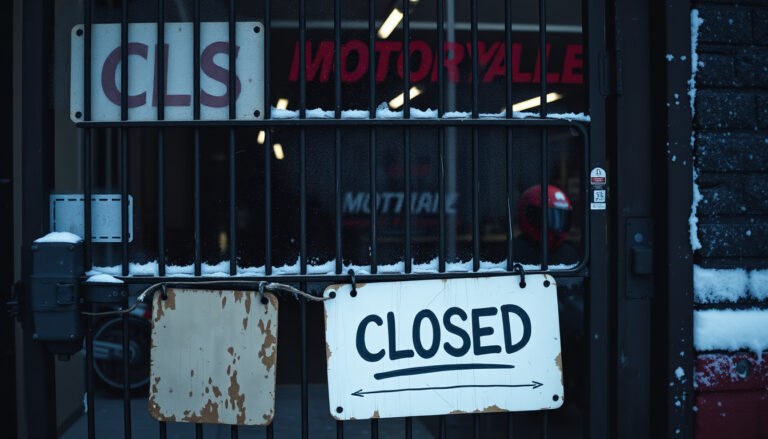 Oakley Motorcycles Kent Closure – Shut Just Before Christmas
 UK Open Dart 2025 – Littler defend title with win over Wade
 Denver Nuggets vs OKC Thunder Match Player Stats – Box Score & Breakdown